Each March, families across Australia hear a lot about NAPLAN. The National Assessment Program Literacy and Numeracy (NAPLAN) assesses students in Years 3, 5, 7 and 9 in reading, writing, spelling, grammar and numeracy. But what does it really mean for your child in 2026?
First, NAPLAN serves an important purpose. It provides a consistent, nationwide snapshot of how students are progressing in foundational skills. For schools, it offers useful data to identify strengths, highlight areas for improvement and guide evidence-based teaching strategies. For families, it can be a helpful reference point in understanding how their child is tracking against national benchmarks.
In that sense, NAPLAN matters. However, it’s equally important to understand what NAPLAN is not.
NAPLAN is not a measure of your child’s intelligence, potential or overall ability. It does not assess creativity, critical thinking, collaboration, resilience or empathy.
“NAPLAN gives us useful data, but it’s only one part of a much bigger learning picture,” says Lisa Crampton, Head of Primary Learning at CSPD. “Parents should see it as a check-in point, along with other school-based assessments, rather than a judgement. What matters most is consistent growth over time and how well a school supports the whole child.”
So what can parents do?
Lisa’s advice is simple: keep it calm and keep it balanced.
“Encourage your child to do their best, make sure they’re well-rested, and remind them that one test doesn’t define them. Students experience explicit literacy and numeracy instruction every day in our classrooms within a multi-tiered system of support that ensures students receive any additional support they need quickly.”
At Catholic Schools Parramatta Diocese, we use NAPLAN as a tool to shed light on our progress in lifting each students’ literacy and numeracy skills.
In 2026, NAPLAN will continue to play a role in Australian education. But in the bigger picture, it remains just one chapter in a much larger story - your child’s lifelong journey of learning and growth.
At Catholic Schools Parramatta Diocese, we believe every child has the potential for greatness. Across our 80 primary and secondary schools in Western Sydney and the Blue Mountains, students are supported to thrive not only in academic achievement but in character, purpose and belonging.
Find a school and register for an Open Day near you
Catholic Schools Parramatta Diocese
www.parra.catholic.edu.au
-
07 Mar 2026
From Facebook
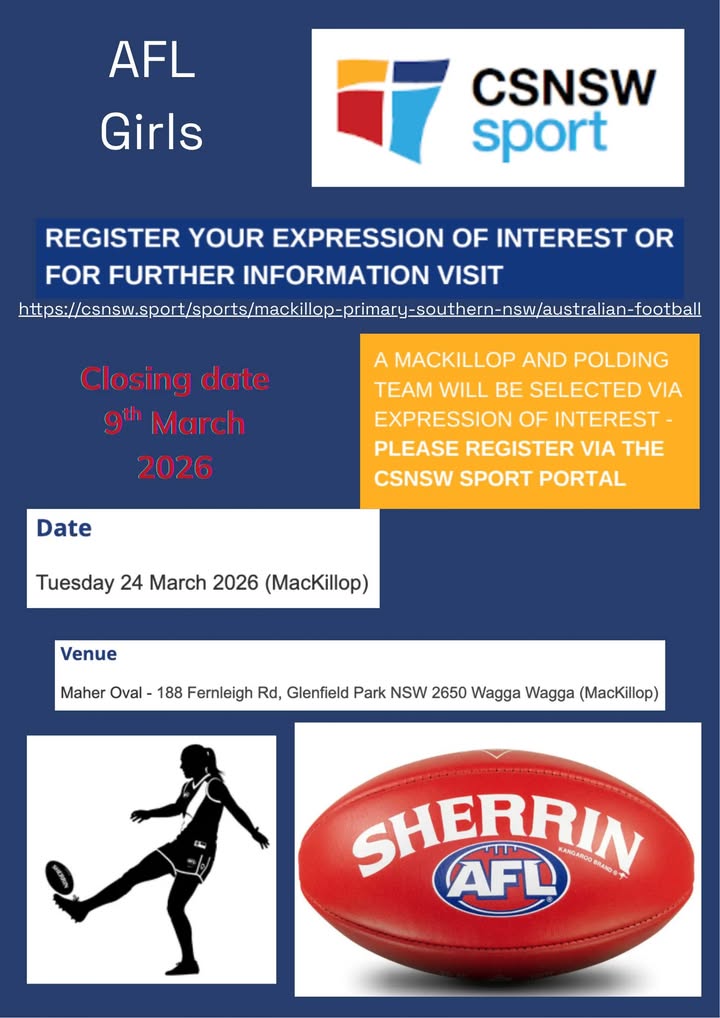
🏉 GIRLS AFL TRIALS INFORMATION Girls 12 Years and Under – Selection Pathway (2026) 📋 Expression of Interest (EOI) Registration This trial is for primary school girls aged 12 years and under. Eligibility Criteria: - Girls may be 12 years old, but must NOT turn 13 in 2026. - Girls turning 9 years or younger in 2026 are not eligible for selection. - Players must have AFL playing experience. - Parents/carers must register an EOI via the CSNSW Sport Portal. https://csnsw.sport/sports/mackillop-primary-southern-nsw/australian-football 🗓 EOI Closing Date: Tuesday, 10th March 2026 📍 All students must register to attend the MacKillop Trials in Wagga Wagga. 🏉 MacKillop Girls AFL Trials - Trials will be held to select the MacKillop Girls AFL Team. 📅 Date: Tuesday, 24th March 2026 📍 Location: Wagga Wagga 🏆 MacKillop Team - Players selected in the MacKillop Team will compete at the NSWPSSA Girls AFL Championship 📍 Tamworth 📅 11th–12th May 2026 ✅ Important Reminders Only eligible primary female students with AFL experience should register. EOI must be submitted by the closing date of Tuesday, 10th March 2026 Students must register specifically for the MacKillop Trials in Wagga Wagga. Selection at trials is required to progress to the NSWPSSA Championship.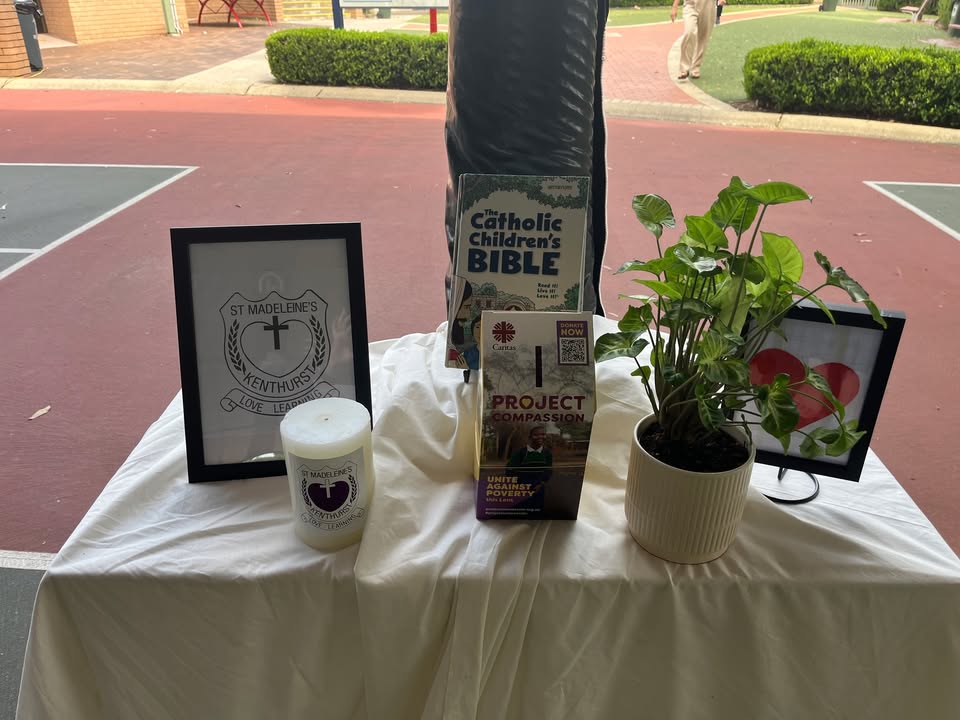
07 Mar 2026
From Facebook
Yesterday, we gathered together as a community of faith, learners and friends to celebrate the blessings of our Catholic school, its values and our shared mission of education. Catholic Schools Week is a special time to reflect on the important role St Madeleine’s plays in helping us grow not only in knowledge, but also in faith and character. 🙏✨
Latest news More news
10 Mar 2026
NAPLAN: What Parents Really Need to Know
Each March, families across Australia hear a lot about NAPLAN. The National Assessment Program Literacy and Numeracy (NAPLAN) assesses students in Years 3, 5, 7 and 9 in reading, writing, spelling, grammar and numeracy. But what does it really mean for your child in 2026?
07 Mar 2026
From Facebook
🏉 GIRLS AFL TRIALS INFORMATION Girls 12 Years and Under – Selection Pathway (2026) 📋 Expression of Interest (EOI) Registration This trial is for primary school girls aged 12 years and under. Eligibility Criteria: - Girls may be 12 years old, but must NOT turn 13 in 2026. - Girls turning 9 years or younger in 2026 are not eligible for selection. - Players must have AFL playing experience. - Parents/carers must register an EOI via the CSNSW Sport Portal. https://csnsw.sport/sports/mackillop-primary-southern-nsw/australian-football 🗓 EOI Closing Date: Tuesday, 10th March 2026 📍 All students must register to attend the MacKillop Trials in Wagga Wagga. 🏉 MacKillop Girls AFL Trials - Trials will be held to select the MacKillop Girls AFL Team. 📅 Date: Tuesday, 24th March 2026 📍 Location: Wagga Wagga 🏆 MacKillop Team - Players selected in the MacKillop Team will compete at the NSWPSSA Girls AFL Championship 📍 Tamworth 📅 11th–12th May 2026 ✅ Important Reminders Only eligible primary female students with AFL experience should register. EOI must be submitted by the closing date of Tuesday, 10th March 2026 Students must register specifically for the MacKillop Trials in Wagga Wagga. Selection at trials is required to progress to the NSWPSSA Championship.
07 Mar 2026
From Facebook
Yesterday, we gathered together as a community of faith, learners and friends to celebrate the blessings of our Catholic school, its values and our shared mission of education. Catholic Schools Week is a special time to reflect on the important role St Madeleine’s plays in helping us grow not only in knowledge, but also in faith and character. 🙏✨
06 Mar 2026
From Facebook
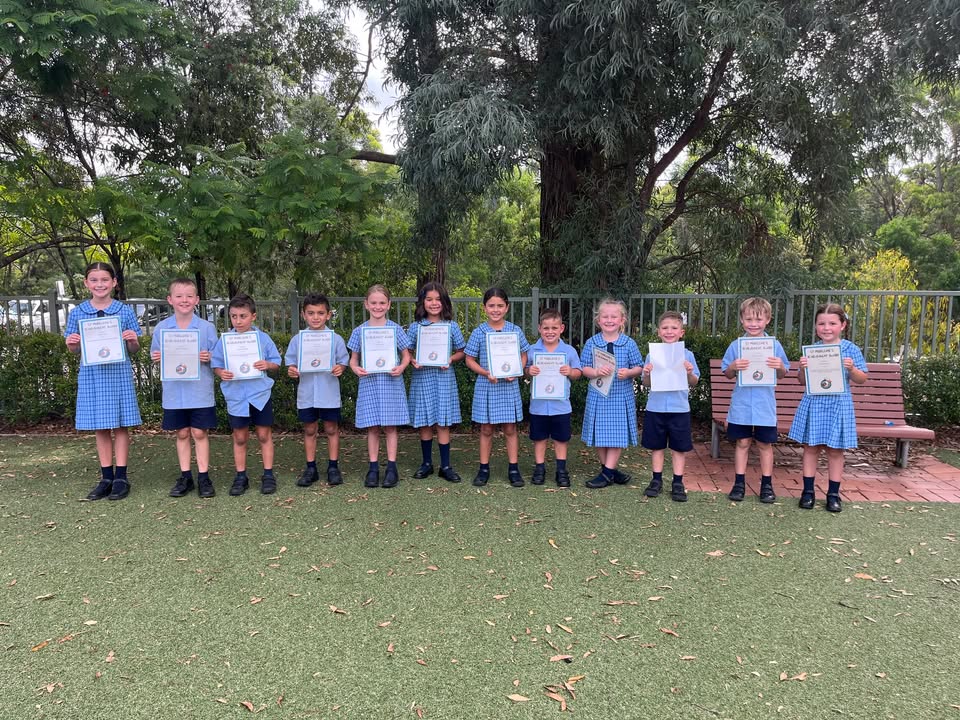
Congratulations to our St Madeleine’s Achievement Awards recipients for Week 6 ⭐️
06 Mar 2026
From Facebook
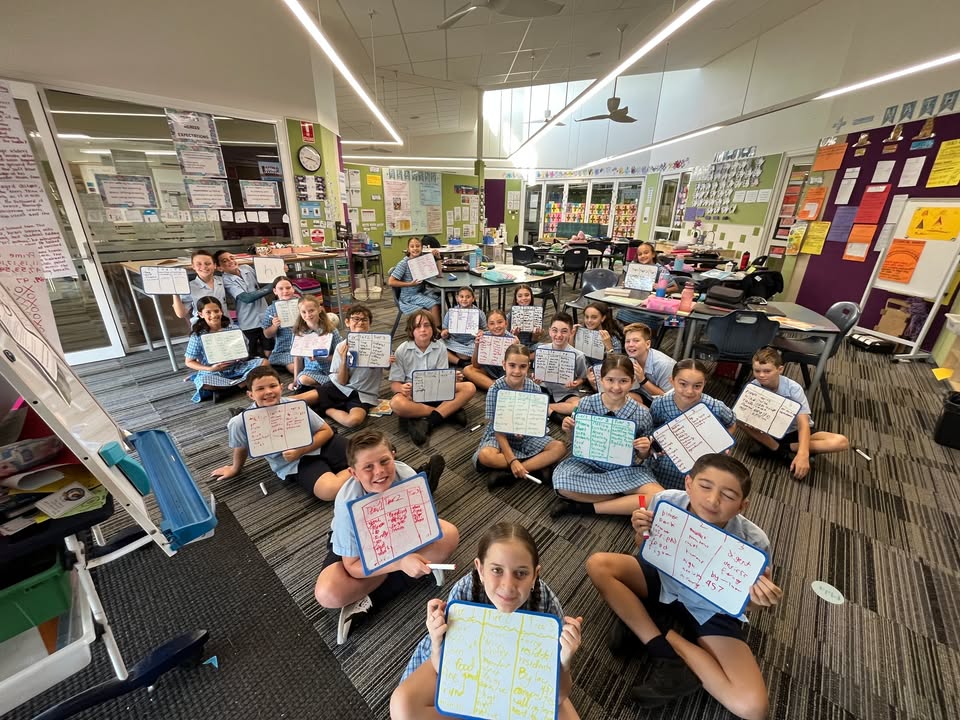
5W have been exploring vocabulary and why it is so important for reading and writing. The larger our vocabulary, the better we can communicate our ideas clearly, understand texts more deeply and choose powerful words in our writing. Today, 5W used their whiteboards to identify and record Tier 1, Tier 2 and Tier 3 vocabulary they could find in our Shared Reading text 📚✏️
06 Mar 2026
From Facebook
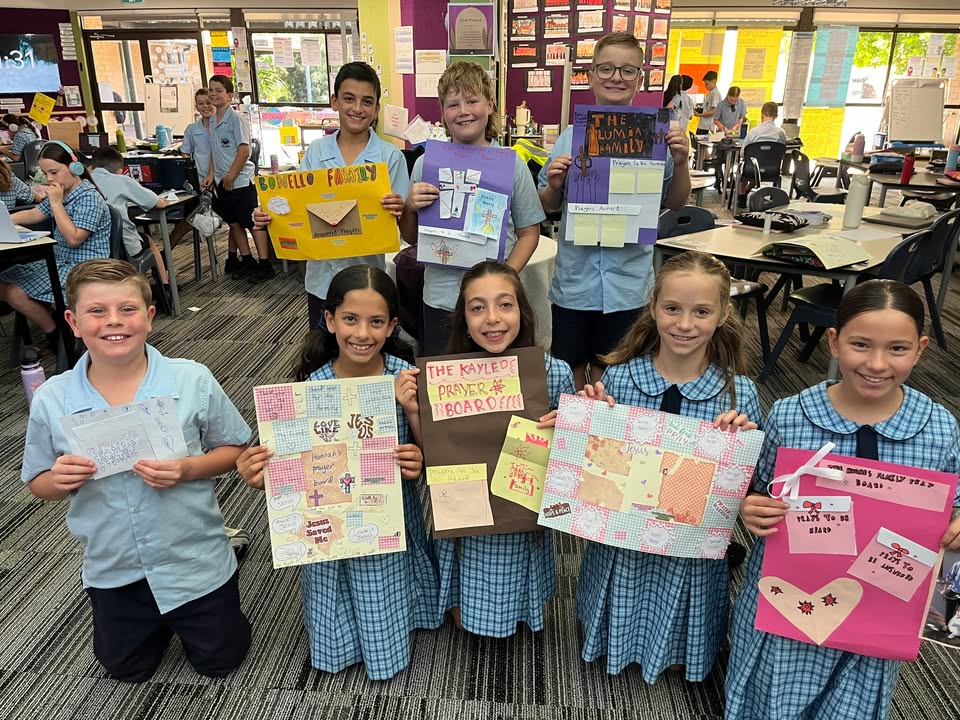
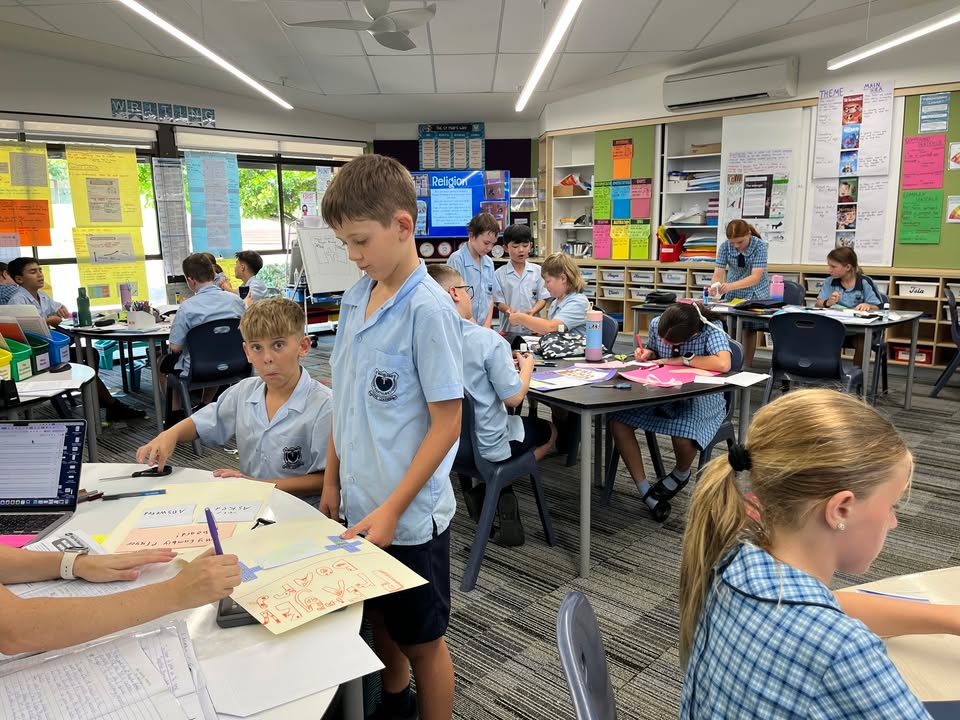
Year 5 have now finished their Prayer Boards and we can’t wait to share them with our families! Students designed and decorated their boards before writing meaningful prayers of thanks, hope and support. We are so proud of their creativity and the beautiful finished pieces they created. Well done Year 5!
05 Mar 2026
From Facebook
As part of Catholic Schools Week, our Year 5 students began creating their own Prayer Boards during Religion this week. Students were invited to design a board that they will take home to share with their families. They were encouraged to be creative with their decorations and thoughtfully reflect on prayer. Today students worked hard bringing their boards to life, and tomorrow they will finish by writing their own prayers to add. A beautiful way to connect faith, creativity and family. ✨🙏
03 Mar 2026
From Facebook
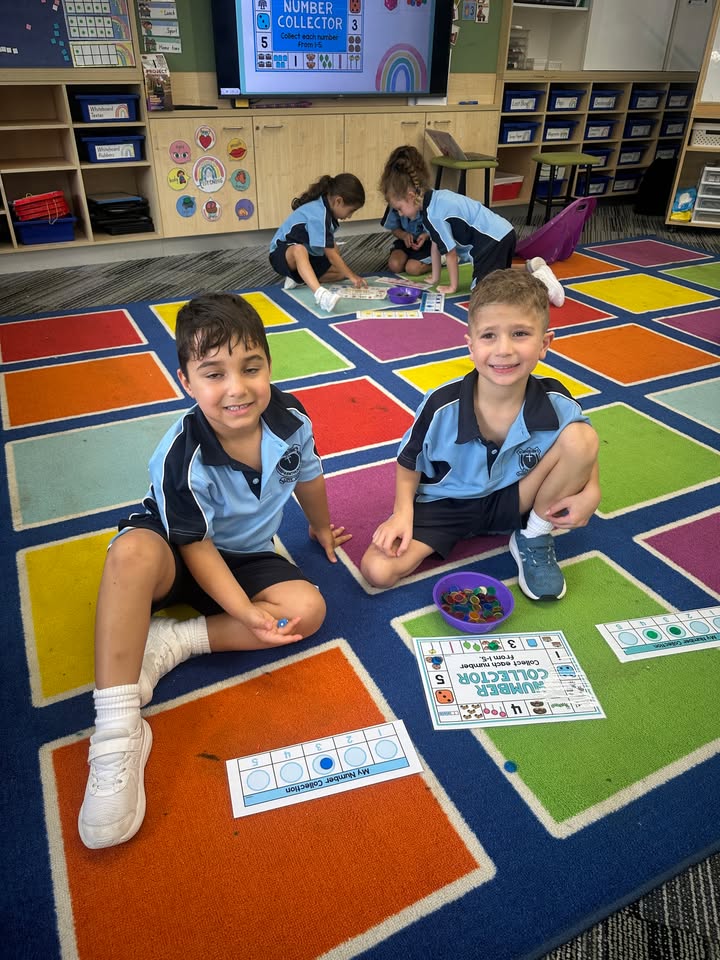
Kindergarten are developing their knowledge of numbers and having fun at the same time.
02 Mar 2026
From Facebook
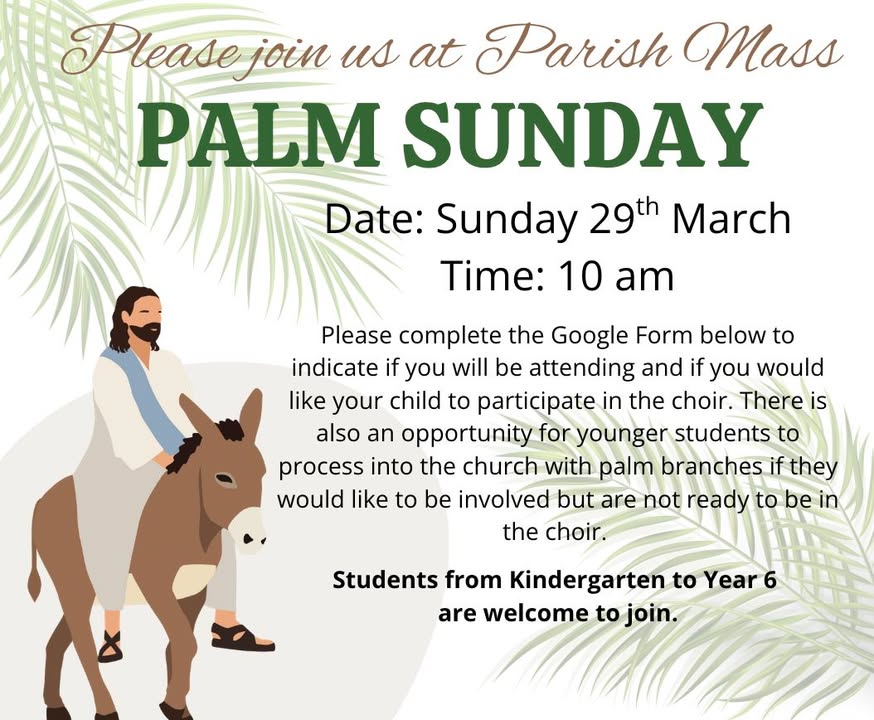
Please click on the link below to indicate if you will be joining us at the Palm Sunday Parish Mass. https://forms.gle/3KAiyMUt7EjnntJRA
25 Feb 2026
From Facebook
25 Feb 2026
From Facebook
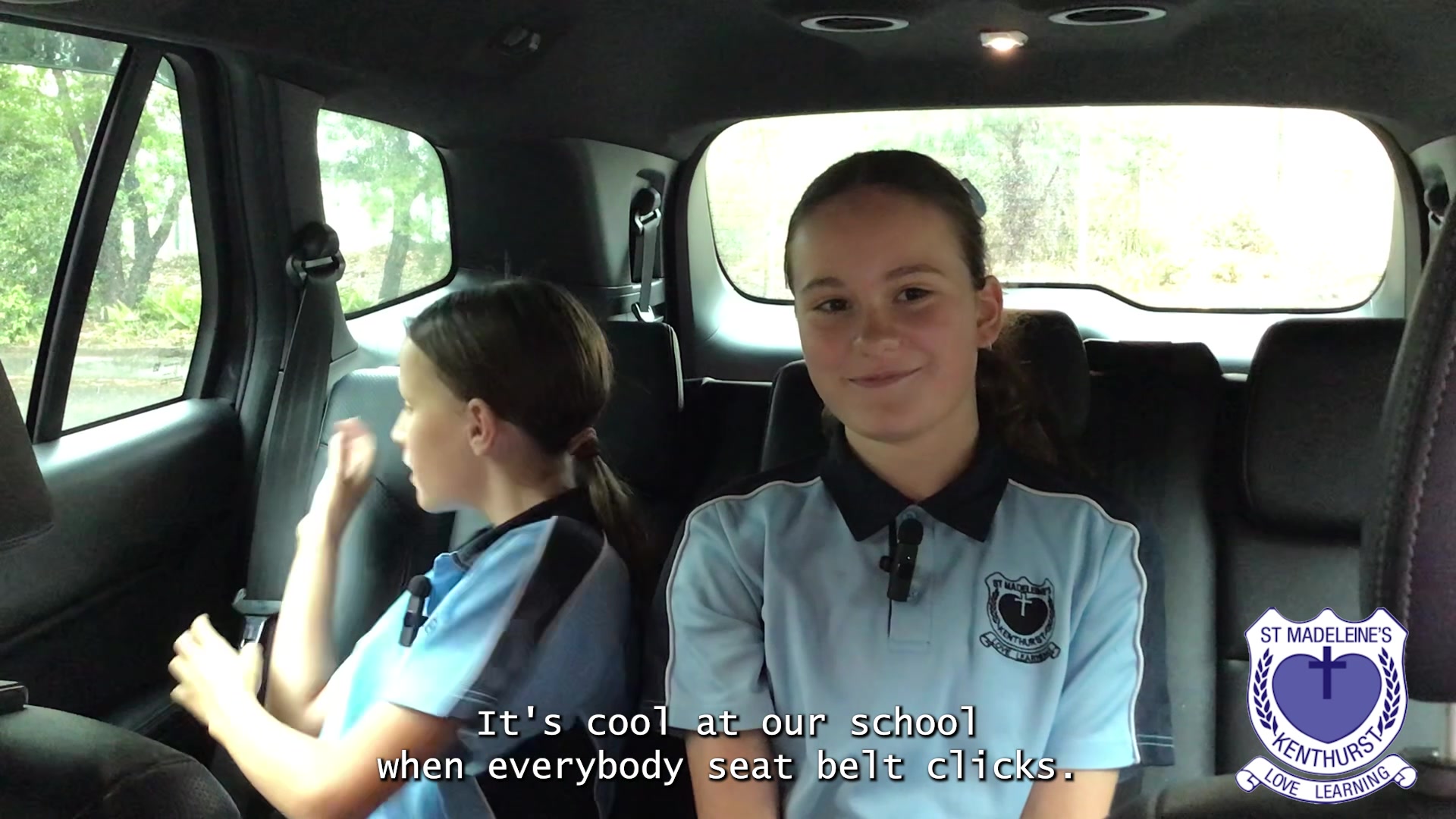
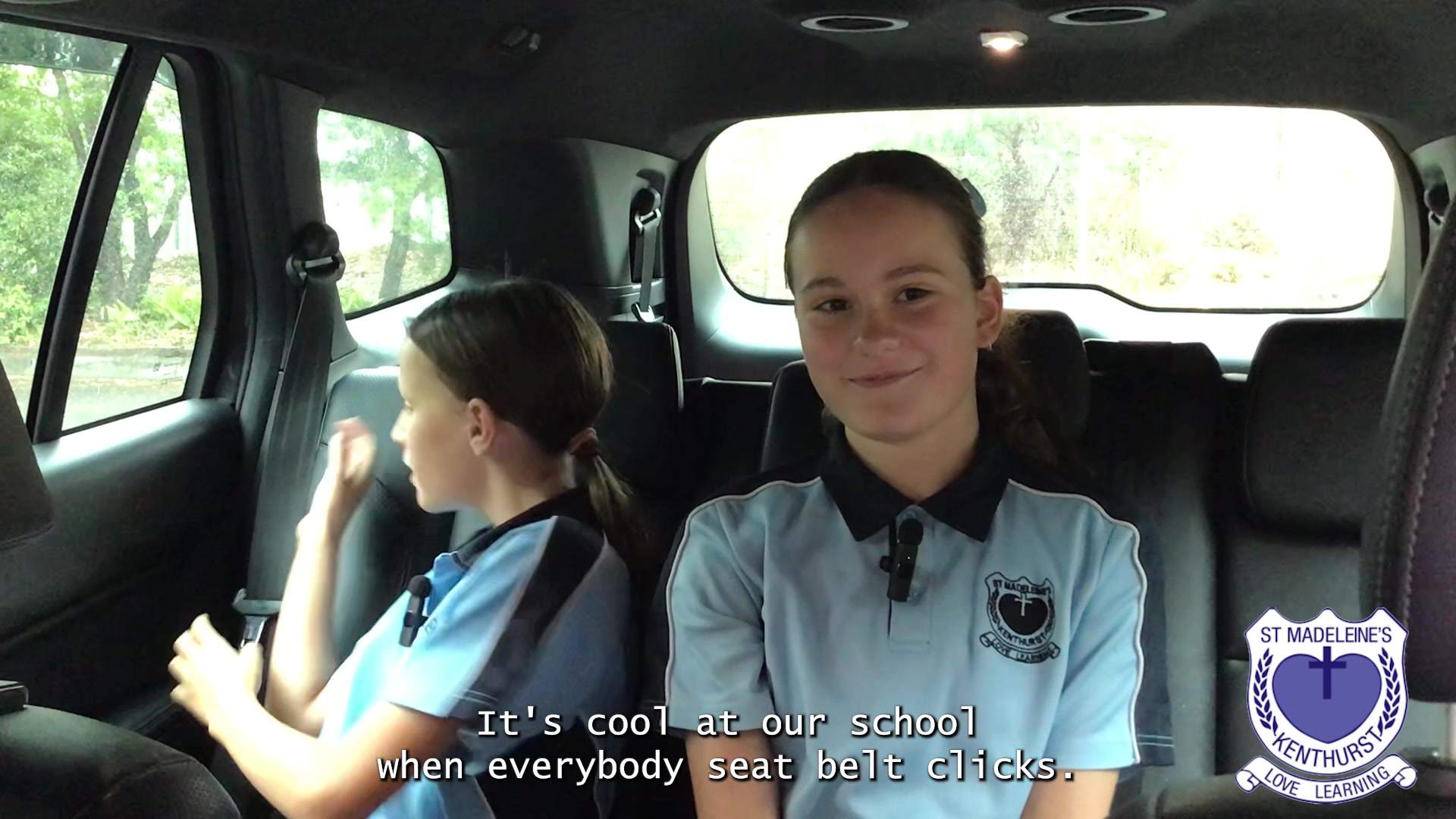
We’re excited to share a short video reminding our school community how we can all help to keep our students safe before and after school. From using Kiss and Drop correctly to parking safely and being aware of little pedestrians. These small actions make a big difference. Thank you for working with us to keep our children safe every day.
24 Feb 2026
From Facebook
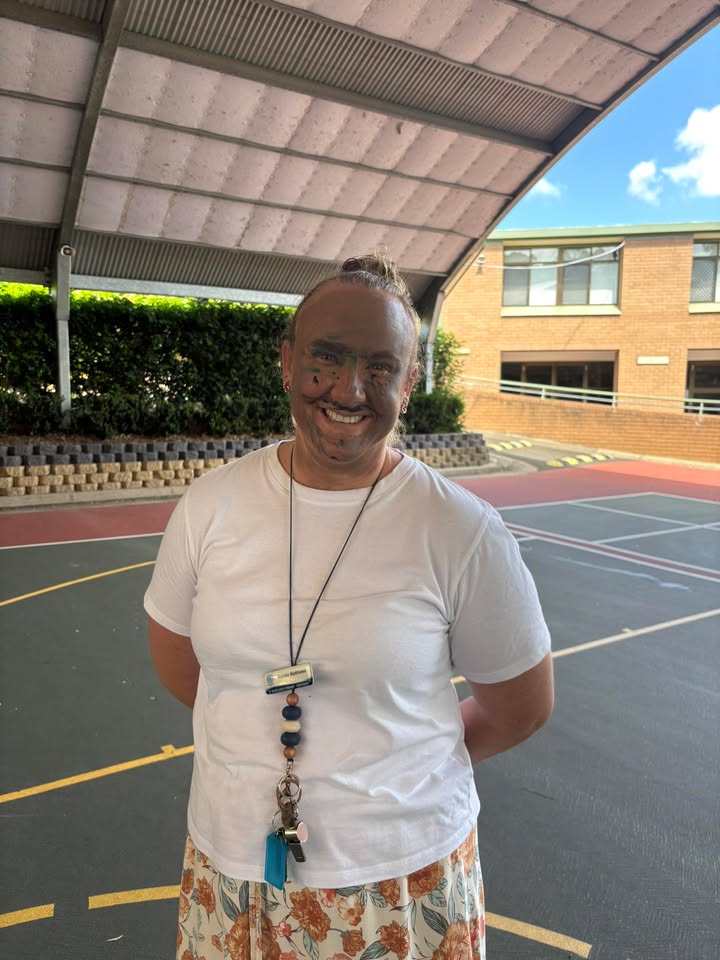
Mrs Natalie Matthews is one brave teacher, putting her face in the hands of Year 5 as their class reward is… doing her makeup! Do you think this look will land them a spot on Glow Up Australia?